
Frequently Asked Questions
INFECTIONS
1What are infections and what causes infections?
Infections are caused by bacteria, viruses, fungi, or parasites that enter and multiply within the body. As a result, the normal functioning of cells, tissues, and organs can be affected and immune responses are triggered. This is leading to a range of symptoms and health complications.
When bacteria, viruses, fungi or parasites enter the body, the body's immune system will react and fight off the infection by using natural defense mechanisms. Depending on what caused the infection and the body's immune system, infections can vary in symptoms, severity, and duration.
When bacteria, viruses, fungi or parasites enter the body, the body's immune system will react and fight off the infection by using natural defense mechanisms. Depending on what caused the infection and the body's immune system, infections can vary in symptoms, severity, and duration.
2What are bacteria?
Bacteria are small, single-celled organisms that are invisible to the naked eye. They can live in many different environments like water, soil and even other living things including humans. While some bacteria are beneficial for us, others can cause infections and diseases such as strep throat, tubercuosis, and botullism.
3What is a virus?
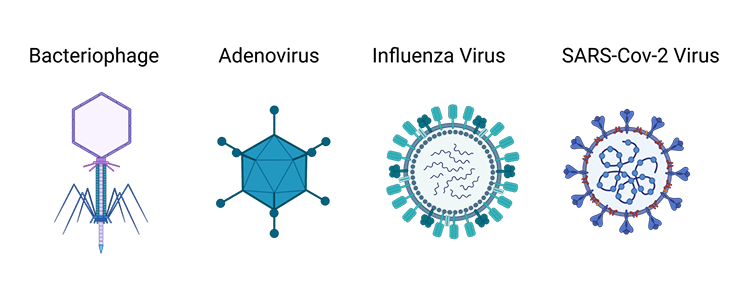
A virus is an infectious agent, that it is too small to be seen with a light microscope. A virus is not a living being, as it cannot reproduce by itself. Instead, it must enter foreign cells and use their components to make copies of itself. This is called replication. Often, a virus ends up killing the host cell in the process, causing damage to the host organism. Well-known examples of viruses causing human disease include HIV, corona viruses, measles, and smallpox.
SEPSIS
1What is sepsis and what are the causes of sepsis?
Sepsis is a serious and often life-threatening condition caused by the body's extreme response to an infection, which becomes harmful to itself. When germs like bacteria or viruses get into the body, the immune system tries to fight them off by release of chemicals to fight it. These chemicals can cause widespread inflammation throughout the body and becomes too strong This ends up harming the body's own tissues. This can lead to sepsis, where the body gets seriously inflamed and can lead to organ damage and dysfunction, affecting how the body works. Common infections like pneumonia, urinary tract infections, or even cuts and wounds can trigger sepsis if the body's response goes awry.
Sepsis requires immediate medical attention and treatment to prevent further complications.
Sepsis requires immediate medical attention and treatment to prevent further complications.
2What are the symptoms of sepsis?
The symptoms of sepsis can include:
- Fever or abnormally low body temperature below 35°C.
- Rapid Heart rate, with the heart beating faster than usual.
- Rapid Breathing, faster than normal.
- Mental confusion, disorientation, or difficulty concentrating.
- Blood pressure dropping to dangerously low levels.
- Extreme Fatigue, feeling very tired or weak.
- Shortness of breath or rapid, shallow breathing.
- Skin Changes, with the skin getting pale, discolored, or unusually warm or cold.
- Pain, which can be general, or abdominal pain, or muscle pain.
- Producing less urine than usual.
3Is sepsis contagious?
Although the underlying infection may be contagious, sepsis is not contagious because it is caused by a reaction of the immune system.
4What is the difference between sepsis and septic shock?
Sepsis is when the body's response to an infection goes haywire, causing inflammation and potential organ problems. Septic shock is a more severe stage of sepsis where the body's blood pressure drops to a dangerously low level, leading to serious issues like organ failure. In simpler terms, sepsis is like the body's alarm system acting up because of an infection, while septic shock is when things get even worse, and the body struggles to keep struggles to maintain vital bodily functions. Both need quick medical attention.
5Are some people at greater risk of getting sepsis?
Yes, some people are more likely to get sepsis. People with weaker immune systems, like the elderly, very young children, or those with chronic illnesses e.g. diabetes or cancer, are at higher risk. Also, anyone with existing infections, like pneumonia or urinary tract infections, can develop sepsis. So, it is important for these folks to be extra cautious and seek help if they suspect an infection to prevent sepsis from happening.
6Is sepsis preventable?
Yes, sepsis can often be prevented, or its risk reduced. Basic steps like practicing good hygiene, keeping wounds clean, and getting recommended vaccines can help prevent infections that might lead to sepsis. If you have an infection, seeking prompt medical care and following doctor's instructions for treatment can also lower the chances of sepsis. So, by taking care of your health and promptly addressing infections, you can help prevent sepsis from occurring.
7How is sepsis treated?
Sepsis is treated in hospitals. Doctors give strong antibiotics or antiviral medication to fight the infection causing sepsis. They also provide intravenous fluids and sometimes medicines to keep blood pressure stable. If organs are affected, they help them work better. The goal is to stop the harmful inflammation and support the body until it recovers. Quick treatment is vital, so if you suspect sepsis, it is important to seek medical help right away.
8How many people get sepsis every year?
In 2017, the Global Burden of Disease study estimated that there were around 49 million cases of sepsis worldwide and about 11 million sepsis-related deaths worldwide, which accounted for almost 20% of all global deaths. These numbers can vary based on factors such as region, healthcare access, and reporting practices.
In 2017, almost half of all estimated sepsis cases, which accounts for 20 million cases, worldwide occurred in children under 5 years of age. In 2018, an estimated 15% (corresponding to 375 thousand) of all neonatal deaths globally were due to sepsis. Studies have shown that the sepsis risk is highest in pre-term and low-birth-weight infants. It is highest in low-income countries. Survival of pre-term infants is improving over time, neonates are vulnerable to sepsis caused by hospital infections. This risk is increased in countries with low health care resources.
In 2017, almost half of all estimated sepsis cases, which accounts for 20 million cases, worldwide occurred in children under 5 years of age. In 2018, an estimated 15% (corresponding to 375 thousand) of all neonatal deaths globally were due to sepsis. Studies have shown that the sepsis risk is highest in pre-term and low-birth-weight infants. It is highest in low-income countries. Survival of pre-term infants is improving over time, neonates are vulnerable to sepsis caused by hospital infections. This risk is increased in countries with low health care resources.
9How many people get sepsis in Switzerland?
In Switzerland approximately 20,000 people are affected by sepsis annually, with around 3,500 deaths. In comparison with other medical conditions in 2023, there were 19,634 cases of acute myocardial infarction (heart attack) in Switzerland, resulting in 2,181 deaths. Sepsis causes more deaths annually in Switzerland than major cancers such as:
- Lung cancer (3,300 deaths)
- Colorectal cancer (1,700 deaths)
- Breast cancer (1,410 deaths)
- Prostate cancer (1,400 deaths)
10What is the economic impact of sepsis?
In Switzerland average direct cost per sepsis case is estimated at CHF 41,790. Total annual costs range from CHF 493 to 1,199 million CHF.
11How many people die from sepsis every year?
In 2017, the Global Burden of Disease study estimated that there were around 11 million sepsis-related deaths worldwide.
ANTIBIOTICS
1What are antibiotics?
Antibiotics are powerful medicines that are used to treat bacterial infections. They work like special soldiers that target and kill harmful bacteria or stop them from growing. Antibiotics are helping our bodies to fight bacterial infections.
2What do antibiotics treat?
Antibiotics treat infections caused by harmful bacteria. They're used to fight off illnesses like ear infections, urinary tract infections, and many other bacterial infections that can make us feel unwell. But they do not work against sicknesses caused by viruses, such as the flu or cold.
There are different kinds of antibiotics and not all of them work for the same infections. It must be determined by a health care professional which antibiotic can be used for a specific illness as this depends on the type of bacteria and the site of infection. To find out which type of bacteria causes the infection, doctors might take a sample and send it to a lab for testing.
3Why is it important to take antibiotics exactly as prescribed?
Taking antibiotics as prescribed is important because it helps kill all of the bad bacteria causing your infection. Even if you feel better quickly, it is important finish the course of antibiotics as provided. Otherwise, some hardier bacteria might survive and lead to reoccurring infections that are much harder to treat. When you follow the doctor's instructions, you make sure the medicine works well, you feel better faster, and you prevent the bacteria from becoming resistant to the antibiotics. It is like following a recipe – doing it right gives you the best results and helps keep you healthy.
4What is unnecessary antibiotic use?
Unnecessary antibiotic use refers to taking antibiotics when they are not needed or when they won't be effective in treating the illness. This can happen when antibiotics are used for viral infections, like the common cold or the flu. It can also occur when antibiotics are used for mild bacterial infections that the body's immune system can handle on its own. Unnecessary antibiotic use contributes to antibiotic resistance, where bacteria become immune to the drugs, making infections harder to treat in the future. It is important to only use antibiotics when prescribed by a healthcare professional and for the specific type of infection they're meant to treat.
5What is an antibiotic-resistant infection?
An antibiotic-resistant infection is an infection that is difficult or impossible to cure with antibiotics. Common sites for antibiotic-resistant infections include lung, skin (like wounds or surgical sites), urine, and intestines. These infections may be hard to treat, resulting in longer and more severe illnesses.
6What does it mean when bacteria are resistant to antibiotics?
When bacteria become resistant to antibiotics, it means the usual medicines we use to fight them no longer work. It's like the bacteria learn how to defend themselves, making infections harder to treat and more dangerous. This happens when we use antibiotics too much or not correctly. Also antibiotics used in food industry significantly contribute to selection of the antibiotic resistance bacterial.
It's a big concern because it can make infections much tougher to deal with.
It's a big concern because it can make infections much tougher to deal with.
7What are “Superbugs”?
"Superbugs" is a term used to describe bacteria that have become extremely resistant to different kinds of antibiotics. They are like tough bacteria that can survive even the strongest medicines which sometimes makes it difficult for doctors to find effective treatments. Superbugs can cause hard-to-treat infections, making people sick for a longer time and being more dangerous. Preventing superbugs is important by using antibiotics wisely and only when truly needed.
8How does antibiotic resistance happen?
Imagine antibiotics are like soldiers fighting bacteria. When we take antibiotics, they attack and kill the bad bacteria causing infections. But sometimes, a few bacteria can survive the attack because they're a bit different or stronger.
These surviving bacteria can multiply and pass on their "survival skills" to their offspring. Over time, more and more bacteria learn these skills, and the antibiotics that used to work don't scare them anymore. It's like the bacteria have armor that the antibiotics can't break through.
This makes infections harder to treat, and we have to find different, stronger antibiotics. But if we keep using antibiotics when we don't really need them, the bacteria keep learning and becoming even more resistant.
9Why is antibiotic resistance an important issue, and how can it be prevented?
Absolutely, antibiotic resistance is a very concerning issue. Think of antibiotics as our weapons against bacterial infections. They've been incredible tools that help us fight off these infections and stay healthy. But just like in a game of chess, some bacteria are getting smarter and figuring out how to outmaneuver our antibiotics.
When bacteria become resistant to antibiotics, it's like these infections are leveling up in difficulty. The antibiotics we used to rely on might not work as effectively, and treating infections can become more challenging. This can lead to longer illnesses, more severe health problems, and even more hospital visits.
If we don't address antibiotic resistance, we could end up in a tough spot where even common infections become difficult to treat. It's a bit like a race against time – we need to use our antibiotics wisely, only when necessary, and come up with new strategies to tackle infections. By doing so, we can help ensure that antibiotics remain powerful tools in our medical arsenal.
Preventing antibiotic resistance is a team effort that involves both healthcare professionals and individuals:
By taking these steps, we can work together to slow down antibiotic resistance, preserving their effectiveness and ensuring we can continue fighting bacterial infections successfully.
- Use Wisely: Doctors should prescribe antibiotics only when truly needed. People should take antibiotics exactly as prescribed and not share them with others. Don't press for antibiotics if your doctor thinks they're not necessary.
- Finish the Course: Always complete the full antibiotic course, even if you feel better. This ensures all the bacteria are gone and can't develop resistance.
- Infection Prevention: Practice good hygiene, like washing hands, covering sneezes, and keeping wounds clean, to reduce the spread of infections.
- Vaccinate: Get recommended vaccines to prevent infections in the first place, reducing the need for antibiotics.
- Avoid Antibacterial Products: Skip using antibacterial soaps or cleaners, as they might contribute to resistance.
- Farm and Food Practices: Encourage responsible use of antibiotics in agriculture to prevent their overuse in animals raised for food.
- Research: Invest in research for new antibiotics and alternative treatments to stay ahead of resistant bacteria.
By taking these steps, we can work together to slow down antibiotic resistance, preserving their effectiveness and ensuring we can continue fighting bacterial infections successfully.
10How can be determined if an infection is resistant?
To determine if an infection is resistant, doctors usually perform tests on a sample of the bacteria causing the infection. These tests help figure out if the bacteria are still reacting to antibiotics or if they've become resistant.
Doctors also consider your medical history, how you are responding to treatment, and sometimes use specialized tests to confirm resistance. This information helps guide the right choice of antibiotics to effectively treat the infection. It is a bit like detectives gathering evidence to solve a case – but in this case, it is about finding the best way to fight off the infection.
OTHER
1What is the Swiss Sepsis National Action Plan (SSNAP)?
Switzerland has implemented the Swiss Sepsis National Action Plan (SSNAP) to improve awareness, prevention, and management of sepsis. The plan includes establishing a national sepsis registry, enhancing early recognition protocols, and providing support for survivors and their families.
2What are the short-term effects after surviving sepsis in the ICU?
Many people who survive sepsis and spend time in the intensive care unit (ICU) experience a group of short-term problems known as Post-ICU Syndrome (PICS). This condition can appear after the intensive treatments required during a critical illness like sepsis and may continue after leaving the hospital.
PICS includes three main types of symptoms:
Recovery from PICS takes time and often involves support from different specialists—such as physiotherapists, occupational therapists, psychologists, and doctors—to help you regain strength and return to everyday life.
- Physical symptoms: These can include muscle weakness, ongoing fatigue, chronic pain, and difficulty with movement or daily activities.
- Cognitive symptoms: Some patients may have trouble with memory, focus, or thinking clearly—sometimes called “brain fog.”
- Mental health symptoms: Anxiety, depression, sleep problems, or even post-traumatic stress disorder (PTSD) are also common.
Recovery from PICS takes time and often involves support from different specialists—such as physiotherapists, occupational therapists, psychologists, and doctors—to help you regain strength and return to everyday life.
3What are the long-term effects after surviving sepsis?
Survivors of sepsis may develop post-sepsis syndrome, which includes long-term issues like chronic fatigue, brain fog, anxiety or depression, weakness, sleep problems, and possible organ dysfunction. Recovery can take months or longer, and some complications may be permanent.
4How can relatives support a sepsis patient during and after hospitalization?
Relatives can help by:
Don’t hesitate to seek psychological support for yourself as well—caregiving can be emotionally demanding.
- Assisting with medical follow-up and appointments
- Offering emotional support and reassurance
- Helping manage medications and daily routines
- Being attentive to signs of post-sepsis complications
- Encouraging healthy habits (nutrition, movement, rest)
Don’t hesitate to seek psychological support for yourself as well—caregiving can be emotionally demanding.
5Are there specific warning signs for children?
Yes, symptoms in these groups can be more subtle or atypical. Children and infants may exhibit different symptoms of sepsis, such as lethargy, reduced feeding, abnormal temperature, cold hands and feet, or fast breathing. Early recognition is crucial for prompt treatment.
6Can sepsis happen again?
Yes, sepsis can recur. People who have had sepsis are at increased risk of:
Preventative steps like hygiene, vaccination, and managing chronic conditions help reduce the risk.
- nother infection (due to possible immune suppression)
- Another episode of sepsis
- Long-term health problems
Preventative steps like hygiene, vaccination, and managing chronic conditions help reduce the risk.
USEFUL LINKS
What support is available for sepsis survivors and their families?
- Swiss Sepsis Program: https://sepsis.ch
- Deutsche Sepsis-Hilfe e.V.: https://www.sepsis-hilfe.org
- Swiss Patient Safety Foundation: https://www.patientensicherheit.ch
- Sepsis Stiftung Deutschland: https://www.sepsis-stiftung.de